Healthy Clubhouse Menu for Country View
Country View Golf Course aims to offer clubhouse dining that supports energy for play, recovery after a round, and celebratory gatherings while prioritizing nutrition, taste, and local sourcing. Target calorie ranges guide menu composition: breakfasts typically 350–600 kcal, midday plates 550–800 kcal, lighter evening entrées 500–700 kcal, snacks 150–300 kcal. Macronutrient balance emphasizes 20–30 grams of protein per main plate, fiber targets of 6–12 grams per meal, and sensible sodium limits under 900 mg for most entrees. These numeric goals keep member expectations clear and provide a benchmark for kitchen adjustments and guest feedback.
Ingredients, sourcing, and seasonal strategy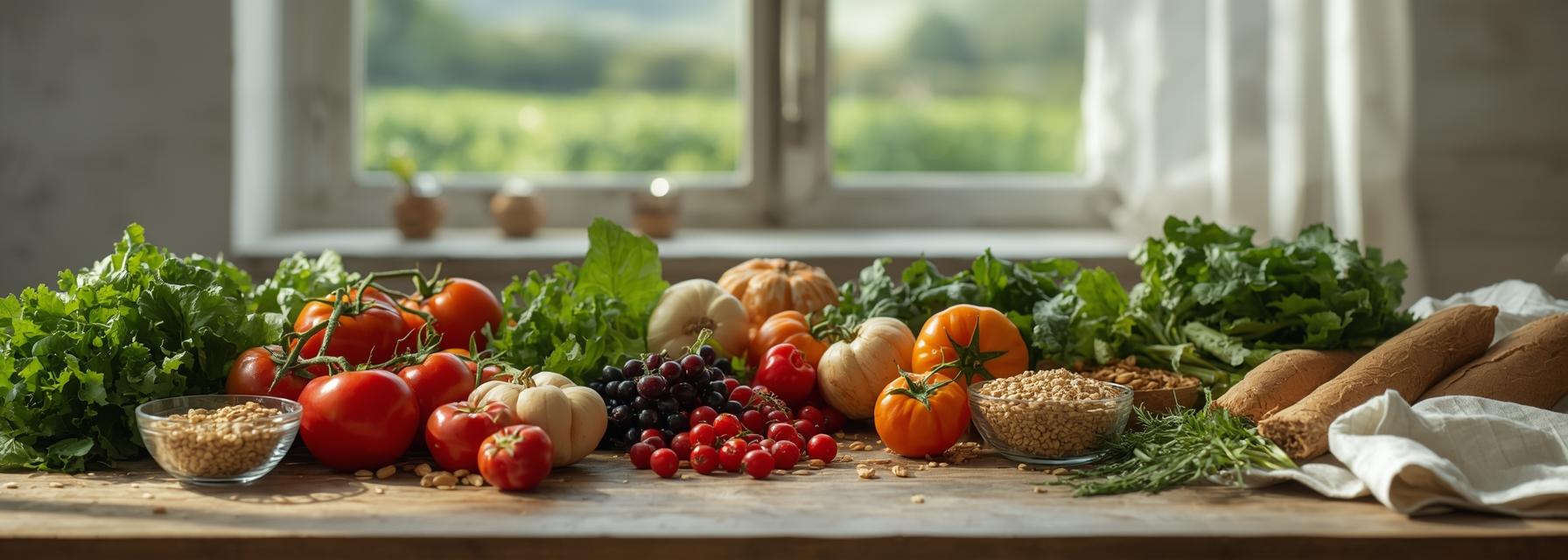
Sourcing focuses on Chatham-Kent and southwestern Ontario suppliers for fresher produce and lower food miles. Typical seasonality in Ontario informs menu cycles: asparagus in May–June, strawberries June–July, sweet corn August–September, and apples from September into October. Proteins prioritize provincially raised chicken and turkey, Ontario beef where traceability is verified, and Lake Erie fish offerings when available and certified sustainable. Partnerships with local growers and greenhouses facilitate weekly deliveries, reduce storage time, and allow rotating specials that reflect harvest peaks. Packaging decisions favor compostable carryout materials and reusable servingware for banquets.
Morning offerings designed for early tee times
Breakfast options prioritize whole grains and protein to sustain a morning round. Proposed items include overnight oat bowls with Ontario apples and toasted walnuts, whole-grain toast with poached eggs and local smoked turkey, and Greek yogurt parfaits layered with seasonal fruit. Lighter egg plates feature small frittatas with spinach, mushrooms, and chèvre, and egg bowls that pair brown rice or quinoa with roasted vegetables and a soft-boiled egg. For early tee times, grab-and-go choices include individually portioned hard-boiled eggs, fresh fruit cups, whole-grain muffins made with apple or carrot, and protein bars sourced from regional bakers. All morning items show calorie and protein counts on print and digital menus.
Midday and casual dining with balanced macros
Sandwiches and wraps use lean proteins and whole-grain breads. Options range from grilled Ontario chicken with arugula and cider vinaigrette on multigrain to a smoked turkey and apple wrap with light Greek yogurt dressing. Salads are engineered for balance: base of mixed greens, a lean protein, one whole grain or starchy vegetable, and a healthy fat source such as avocado or toasted seeds to hit protein and fiber targets. Bowl offerings combine grains like barley or farro, roasted local vegetables, and a choice of protein with optional dressings on the side.
Below are representative menu items with nutrition targets and local highlights to guide plating and pricing decisions. This appears mid-discussion to allow context and follow-up explanation.
| Dish |
Key local ingredient |
Target calories |
Protein (g) |
Portion cue |
Suggested price (CAD) |
| Grilled Ontario chicken sandwich on multigrain |
Chatham-Kent greens |
650 |
35 |
1 sandwich, side salad |
16 |
| Farro bowl with roasted sweet corn and chickpeas |
Sweet corn (Aug–Sep) |
600 |
22 |
Large bowl |
15 |
| Smoked turkey & apple wrap |
Local apples (Sep–Oct) |
550 |
30 |
1 wrap |
14 |
| Spring asparagus frittata |
Asparagus (May–Jun) |
420 |
24 |
2-slice plate |
13 |
| Lake Erie fish tacos with cabbage slaw |
Seasonal Lake Erie catch |
520 |
28 |
2 tacos, salsa |
18 |
| Greek yogurt parfait with honey and berries |
Ontario strawberries (Jun–Jul) |
360 |
18 |
Small jar |
8 |
Evening plates and banquet options that favor health
Evening à la carte and banquet menus emphasize lighter entrées and family-style sharing that reduces overeating. Plant-forward mains such as roasted cauliflower steaks with herbed quinoa, or seared Ontario trout with blistered tomatoes, provide satisfying texture and flavor. Banquet packages include customizable healthy tiers with plated and family-style formats; plated meals focus on portion control and composed flavors while family-style encourages shared vegetable-forward platters alongside measured protein portions. Price tiers for healthy banquet packages typically range from 28 to 45 per person depending on protein choice and service style.
On-course fueling and beverages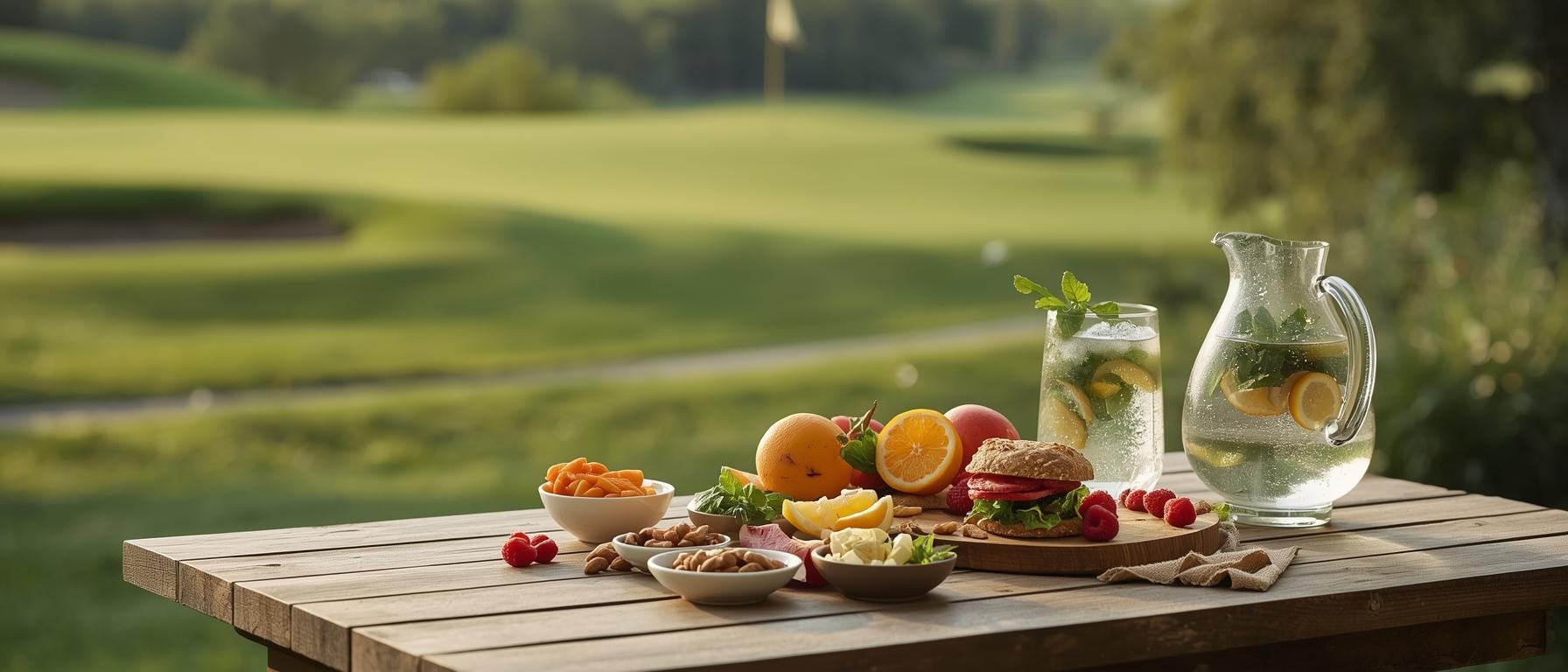
On-course offerings include portable whole-food snacks such as roasted nut mixes, fresh fruit, and seeded crackers with single-serve hummus. Hydration stations provide chilled water, electrolyte mixes with low sugar, and coconut water. Recovery snacks after rounds feature chocolate milk alternatives, small lean-protein sandwiches, and cottage cheese cups. Beverage program highlights low-sugar mocktails using Ontario fruit purées, a curated coffee and tea selection with single-origin options, and lighter cocktail recipes that prioritize spirits with soda, fresh citrus, and herbal bitters. Alcohol moderation messaging and smaller pour sizes support responsible consumption.
Inclusivity, labeling, and kitchen practices
Menus clearly mark gluten-free, dairy-free, vegan, and vegetarian choices with icons and concise allergen notes. Cross-contact protocols include labeled prep zones, color-coded utensils, and advance-order handling for severe allergies. Cooking methods emphasize grilling, roasting, steaming, and light sautéing in olive oil. Frying is limited to a few signature items. Portion control standards and plating guides reduce waste and ensure consistency.
- Staff training covers menu knowledge, allergy protocols, and upselling healthier additions such as a side salad or grilled vegetable plate.
- Marketing uses member newsletters, targeted social media posts, and on-site signage in the dining room and pro shop to highlight seasonal specials and wellness events.
Implementation, measurement, and long-term integration
A phased rollout begins with a six-week pilot for breakfast and lunch, followed by a three-month expansion into dinner and banquet offerings. Initial capital needs estimate 8,000–15,000 CAD for steamers, insulated transport, and digital menu integration. Key performance indicators include uptake percentage of healthy items, average order value, satisfaction ratings aiming for 4.5 out of 5, and measurable reductions in food waste. Feedback channels combine short digital surveys via QR codes, comment cards at the register, and quarterly member forums. Events such as wellness days, chef demonstrations, and collaborative sessions with local dietitians showcase the program and increase adoption. Over time, the clubhouse aims to embed wellness into club culture through partnerships with regional fitness providers, ongoing seasonal innovation, and continuous menu refinement based on data and member preferences.
|